Collected from the Egyptian desert in March of 1846, the Helix desertorum specimen was sent to the British Museum, where scientists thought it had expired in transit. It was glued to a cardboard display card shortly after.
One day four years later, curators noticed something strange about their catatonic mollusk: the shell seemed to have moved from its glued position and a trail of discoloration followed it.
Archivists removed it from the card to give it a bath, with a suspicion the snail might have in fact been slumbering.
After just a few minutes of exposure to moisture, the snail’s head poked from its shell and surveyed its new home with four eye stalks.
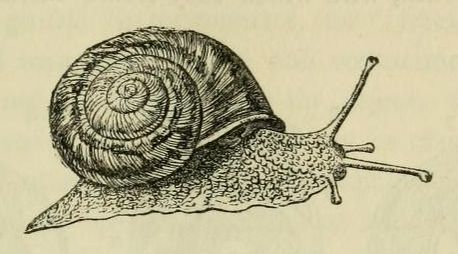
As the snail adjusted to active life again, it became a minor celebrity and sat for a portrait by the museum’s zoological artist for inclusion in a book on mollusks, seen below:
i have an idea in my head where thor is just like. painfully incapable of being cissexist.
like some transphobic reporter asks him abt his sexuality and he’s “i have been attracted to many of your midgardian genders” and “what” and “my current paramor is genderqueer” “are they male or female” “they are neither of those two genders, that is what i have just said!” “oh well what were they born as“ “oh no, dear friend, u appear to be confusing genderqueer with genderfluid! the lady mystique assures me that these are two very different things, [extremely extended explanation]”
y/y
oh my gosh yes
“but what are they biologically?”
“…they are human.”
oh my god
“But what is between their legs?!”
“That is not of your concern, but on a good day, myself!”

 moulinroux tumblr